Empowering cities to build renewable, low-temperature district heating and cooling networks across Europe.
About IncentEU

IncentEU accelerates the deployment of low-temperature district heating and cooling (DHC) systems across Europe by developing investment plans in Barcelona, Strasbourg, and Tallinn. The project supports metropolitan authorities in designing bankable, replicable DHC projects powered by renewable and waste heat sources, integrating thermal energy storage for flexibility and efficiency. Through a shared methodology for heat mapping, feasibility analysis, and business modelling, IncentEU strengthens public sector capacity and fosters cross-country learning. Backed by the LIFE Clean Energy Transition programme, the project contributes to EU energy and climate goals under the European Green Deal, REPowerEU, and Energy Efficiency Directive, paving the way for sustainable and decarbonised urban heating and cooling networks.
To achieve this, IncentEU introduces a common European methodology co-created with public authorities and experts for:
Identifying viable DHC zones through heat mapping and resource assessment
Conducting pre-feasibility and investment analyses
Designing technical, financial, and governance models
Integrating thermal energy storage for flexibility and seasonal balancing
Working with supra-municipal authorities, engineering, research centers, financiers and capacity building and consulting entities, in Barcelona, Strasbourg, and Tallinn, the project will use insights from prior EU-funded initiatives to ensure methodological consistency and practical applicability.

Barcelona
District heating and cooling (DHC) systems in Spain remain relatively limited compared to other European countries, yet Barcelona stands out as a national leader. The city’s networks, including Districlima, Ecoenergies, and Parc de l’Alba, are rapidly expanding to meet the growing demand for cooling driven by its Mediterranean climate. These systems utilize waste heat recovery from industrial processes and waste-to-energy plants such as ECOPARC3, and increasingly integrate renewable energy sources like solar thermal and groundwater heat pumps. With plans to expand coverage to over 3,000 buildings across the metropolitan area,.

Strasbourg
DHC is a cornerstone of Estonia’s energy system, covering around 70% of national heating demand, with Tallinn representing majority of this share. The country operates about 220 networks totaling 2,000MW capacity, primarily fueled by biomass, municipal waste, and natural gas. Tallinn is undergoing significant network expansion and modernization, focusing on integrating low-temperature renewable sources such as wastewater and seawater heat pumps. Backed by strong national regulation and professional development led by the Estonian Association of Thermal Engineers. These efforts aim to raise the share of renewables in district heating to 75%,,
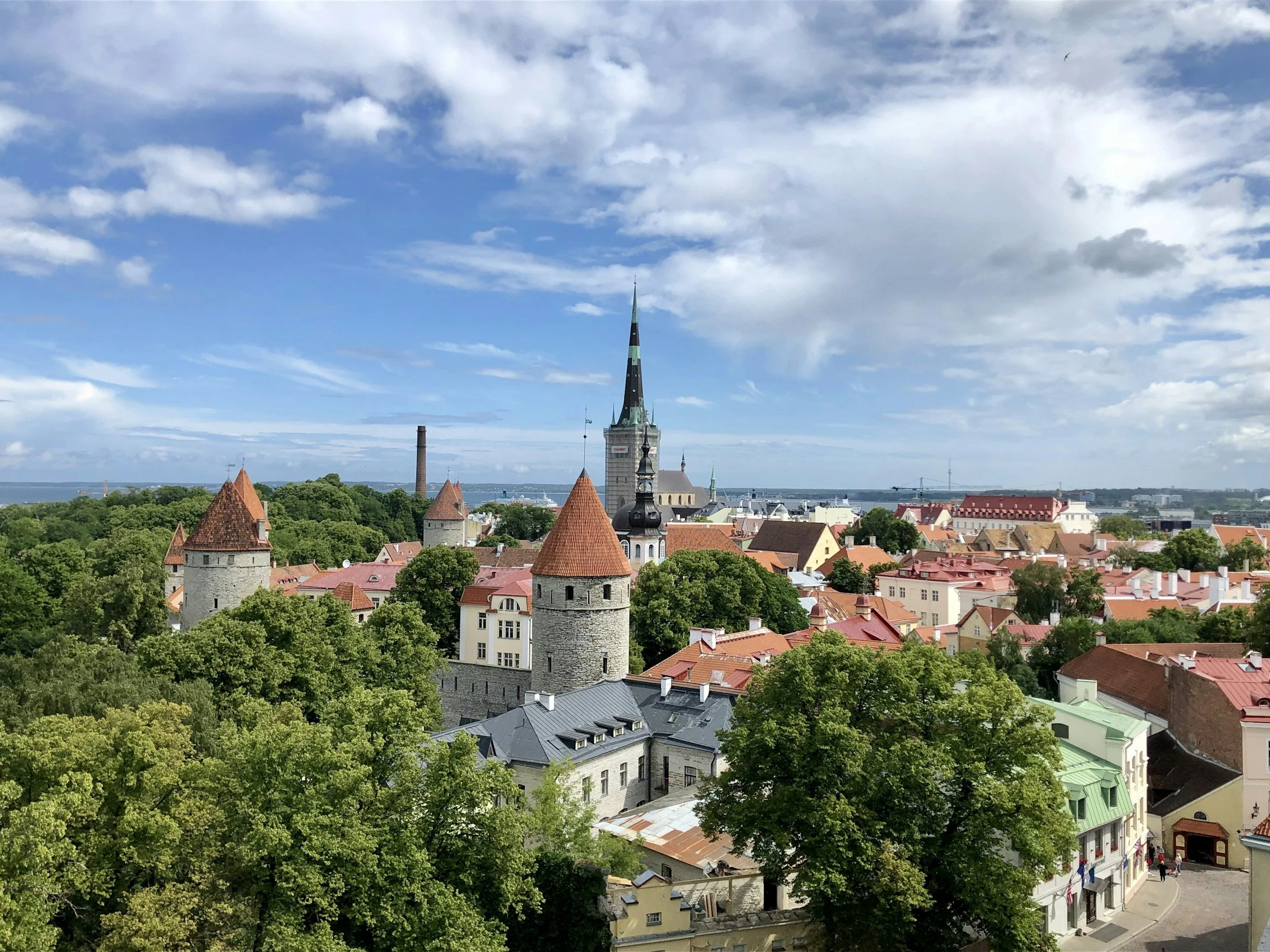
Tallinn
France has a well-established DHC sector, operating more than 800 networks that deliver approximately 30TWh of heat annually. The Eurométropole de Strasbourg exemplifies integrated district energy planning within this context. The metropolitan area hosts 43 networks, including three major public systems that account for over 90% of distributed heat. Strasbourg’s networks draw from a diversified energy mix—biomass, natural gas cogeneration, industrial waste heat recovery, and other renewables—with expansion plans set to reach 645 GWh by 2030. Supported by national initiatives such as the Heat Fund, Strasbourg is accelerating the deployment of geothermal and solar thermal technologies.





-
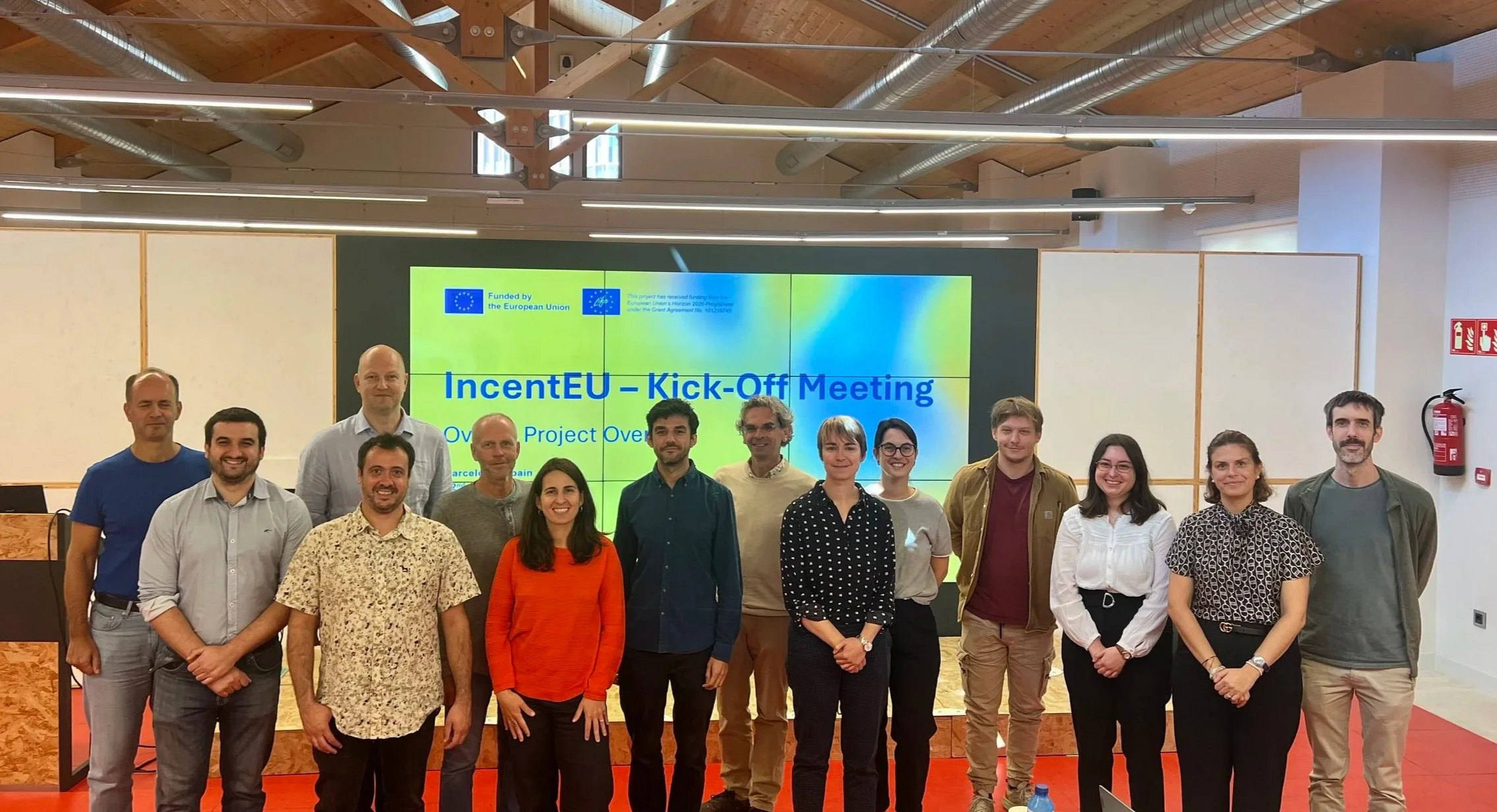
![A group of 14 consortium partners for the IncentEU project.]()
IncentEU launches to unlock innovative financing for energy renovation
Access the latest project deliverables
The IncentEU project is Co-funded by the European Union funding through the LIFE Programme under grant agreement No. 101215745. Views and opinions expressed are however those of the author(s) only and do not necessarily reflect those of the European Union or the European Climate, Infrastructure and Environment Executive Agency (CINEA). Neither the European Union nor the granting authority can be held responsible for them.